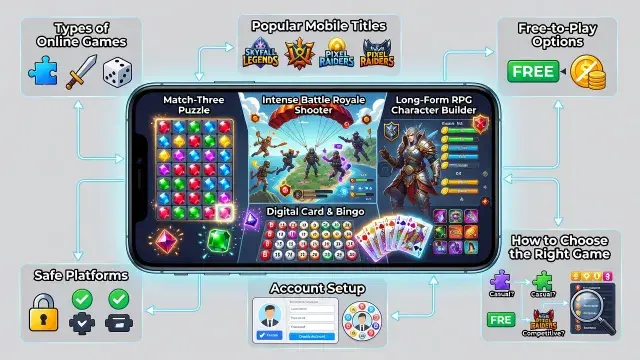
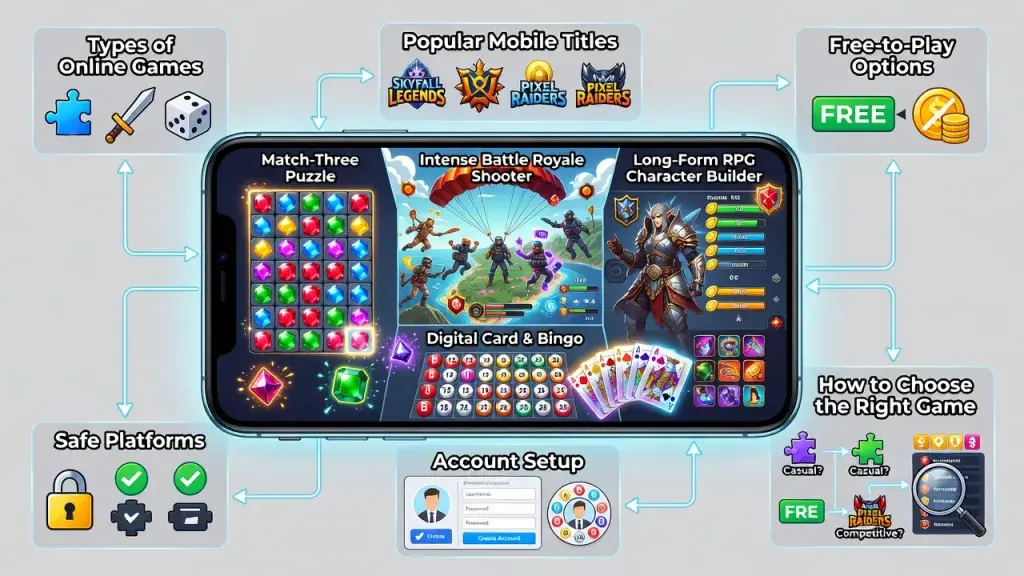
Roughly three billion people play some form of online game each month, and most of them started with a single tap on a phone screen rather than a deliberate decision to become a gamer. That accidental entry point matters. It explains why the online gaming landscape now stretches from five-minute puzzle sessions to sprawling multiplayer campaigns that run for years, and why so many newcomers feel lost when they try to figure out where to actually begin.
The confusion is understandable. Ask ten people what types of online games are available and you'll get ten different answers, because the category has splintered into dozens of subgenres, each with its own rules, communities, and payment structures. Some platforms bury you in ads before you've played a single round; others, like goldbet games, are structured around clear rules and transparent account systems that make the experience predictable from the first login. Knowing the difference before you commit your time or your card details saves both frustration and money.
This guide breaks down the categories, the platforms, the setup process, and the decision criteria that actually matter. By the end, you'll know not just what's out there, but what fits your habits, your budget, and your device.
What Types of Online Games Are Available
Online gaming isn't one industry - it's several industries sharing infrastructure. Understanding the major categories helps you narrow down options before you even open an app store.
Casual and Puzzle Games
These are short-session titles built for quick engagement: match-three puzzles, word games, simple arcade mechanics. They dominate mobile because they fit into commute times and waiting rooms. Session length is usually under ten minutes, and progression systems keep players returning daily.
Multiplayer and Competitive Titles
Battle royale shooters, team-based strategy games, and card battlers fall here. These games depend on live servers and matchmaking, which means how online gaming platforms work becomes directly relevant - latency, server regions, and matchmaking algorithms shape the actual experience far more than graphics do.
Role-Playing and Simulation Games
Long-form RPGs and life simulators reward sustained investment. Players build characters, manage resources, and often join guilds or clans. These titles tend to have the deepest monetization systems, since progression can be accelerated through purchases.
Card, Board, and Chance-Based Games
Digital adaptations of card games, bingo, and other chance-based formats have a large, loyal audience, particularly among players who want lower time commitment per session but still enjoy competitive stakes.
How to Play Online Entertainment Games
The mechanics differ by genre, but the entry process follows a consistent pattern across nearly every platform.
Getting Started on Any Platform
Most services follow the same sequence: choose a platform, create a profile, select a game mode, and either play instantly in-browser or download a client. Browser-based games skip installation entirely, which is why they remain popular for casual play.
Understanding Game Modes and Rules
Every title has a tutorial or rules section - skipping it is the single most common reason new players lose early matches or misunderstand scoring. Take the five minutes. It pays off across dozens of future sessions.
Multiplayer Etiquette and Basics
Team-based games have unwritten conventions: communicate clearly, don't abandon matches mid-session, and respect ranking systems. Ignoring these norms gets players muted, reported, or banned from competitive queues.
Best Games for Mobile Devices
Mobile has become the primary entry point for online gaming, partly because devices are always in-hand and partly because developers have optimized specifically for touch controls and shorter attention spans.
Top Categories Dominating App Stores
- Battle royale and shooter games optimized for touchscreen controls
- Puzzle and strategy games with daily challenge modes
- Card and casino-style games with quick round structures
- Simulation and city-building games designed for idle progression
Can I Play Games on Android and iOS
Cross-platform availability is now the norm rather than the exception. Most major titles release simultaneously on both operating systems, and many support cross-play, meaning an Android user can compete directly against an iOS player in the same match. Account syncing through cloud saves also lets players switch devices without losing progress, provided the game supports linked profiles.
Performance and Device Considerations
Not every phone handles graphics-intensive titles well. Battery drain, storage requirements, and processor speed all affect performance, so checking a game's minimum requirements before downloading avoids the frustration of lag during competitive play.
Are Online Games Free to Play
The short answer is yes, most are - but "free" rarely means free forever.
Understanding Free-to-Play Models
Free-to-play titles generate revenue through optional purchases: cosmetic items, progression boosters, or expanded content. The base game costs nothing, and skilled or patient players can compete without ever paying.
Hidden Costs and In-App Purchases
Where free-to-play models get criticized is pacing. Some games deliberately slow progression to nudge players toward spending. Reading reviews before committing time helps you spot which titles use fair pacing versus aggressive monetization.
Subscription and Premium Alternatives
Some platforms offer flat-rate subscriptions covering multiple titles, which can be more economical than piecemeal in-app purchases for players who game frequently across several genres.
How Online Gaming Platforms Work
Behind every match is a layer of infrastructure most players never think about but that directly shapes their experience.
Servers, Matchmaking, and Latency
Platforms route players to regional servers to minimize delay. Matchmaking algorithms then pair players of similar skill level, which is why rankings and hidden skill ratings matter even in casual modes.
Account Systems and Cross-Device Sync
Accounts store progress, purchases, and social connections. This is why linking an account to an email or platform ID matters - losing access to an unlinked account often means losing everything tied to it.
What Are the Safest Online Entertainment Platforms
Safety isn't just about avoiding scams - it's about data protection, fair play enforcement, and transparent payment systems.
Signs of a Trustworthy Platform
- Clear privacy policy and visible licensing information
- Encrypted payment processing for any in-app purchases
- Active moderation and reporting tools for abusive behavior
- Transparent terms around refunds and account recovery
Red Flags to Avoid
Platforms that demand excessive personal information at signup, lack visible contact support, or have no clear ownership information deserve skepticism. Legitimate services rarely hide their operating details.
How to Create an Account for Online Games
Account creation is usually simple, but a few habits protect you long-term.
Step-by-Step Signup Process
Most platforms require an email or phone number, a username, and a password. Some allow social login through existing accounts, which speeds things up but ties your gaming identity to another service.
Securing Your Account
Use a unique password, enable two-factor authentication where offered, and avoid reusing credentials from financial accounts. Gaming accounts are frequently targeted precisely because players underestimate their value.
How to Choose the Right Online Game
With thousands of popular games to play online, the decision comes down to matching the game to your actual habits rather than chasing whatever is trending.
Matching Games to Your Time and Goals
If you have five-minute breaks, a sprawling RPG will frustrate you. If you want deep long-term engagement, casual puzzle games will feel thin quickly. Be honest about how much time you'll realistically commit.
Budget and Monetization Fit
Decide upfront whether you're willing to spend, and how much. This prevents impulse purchases driven by in-game pressure rather than genuine interest.
Social and Community Factors
Some players want competitive ranking; others want a relaxed community. Reading player reviews and community forums before committing reveals a lot about the tone of a game's player base.
Frequently Asked Questions
Do I need a powerful phone to play most online games?
No. The majority of popular mobile titles are optimized for mid-range devices. Only graphically intensive games, like detailed 3D shooters, require newer hardware.
Can I switch between playing on my phone and a computer?
Yes, if the game supports cross-platform sync through a linked account. Check the platform's settings for cloud save options before switching devices.
Is it safe to link my email to a gaming account?
Generally yes, provided the platform uses encrypted storage and has a clear privacy policy. Avoid linking accounts on platforms with no visible security information.
Why do some free games feel slower to progress in than others?
Developers pace progression deliberately to encourage optional purchases. This varies widely by title, so comparing reviews before investing time helps identify fairer pacing systems.
What should I do if I forget my account password?
Use the platform's account recovery option, typically tied to your registered email or phone number. This is why verifying contact details at signup matters - recovery becomes difficult without them.
Are multiplayer games safe for younger players?
Many platforms include parental controls, chat filters, and age-appropriate matchmaking. Checking a game's content rating and safety features before allowing younger users to play is a reasonable precaution.